The Peptide Stability Misconception: What 50,000+ Lab Tests Expose Concerning Storage Space, Taking Care Of, And High Quality Research study peptides are sensitive biological particles that can degrade through numerous pathways, consisting of hydrolysis, oxidation, deamidation, and gathering, when exposed to unacceptable storage problems. Unopened, lyophilized peptides maintain stability for extensive durations under proper problems. The absence of water essentially removes hydrolysis, the primary degradation pathway for dissolved peptides. After adding water, withstand every impulse to drink the vial. However, this can Peptide Supplier also differ with particular peptide and period of transportation. You must constantly check the maker's referrals or perform security researches to explore the security of your peptides throughout transportation. Use low-binding vials or tubes made particularly to lower peptide adsorption to get around this issue. Since polypropylene containers have lower affinity for binding peptides, they are frequently encouraged [6] Siliconized tubes can also lessen surface area contacts also better, ensuring that your peptide samples keep the appropriate concentration. This guide responds to the most often asked questions regarding peptide vials, from standard sizes to storage standards and security preventative measures. Peptides are widely known temperature-sensitive molecules. Optimum peptide storage temperature varies by peptide kind, however a lot of benefit from storage at-- 20 ° C or reduced for long-lasting preservation [1] Refrigeration at 2-- 8 ° C may serve for short-term usage. Nevertheless, fluctuations in temperature level and repeated freeze-thaw cycles can speed up peptide degradation and aggregation. To avoid this, it's best to aliquot peptide vials into single-use sections.
What counteracts peptides?
Salicylic acid''s exfoliating activity might undercut the peptides, reducing their skin-repairing advantages. Recommendation: To stay clear of any type of communication, use salicylic acid and peptide items at different times. For instance, incorporate salicylic acid in your early morning routine and peptides in your night regimen.
This evident potency loss has numerous Peptide Technology possible causes. Immediate cloudiness after reconstitution suggests rainfall from thermal shock or pH conflict. If you rushed temperature equilibration, this is the likely cause. Regrettably, precipitated peptide seldom redissolves successfully. Prior to starting, enable both the peptide vial and solvent to get to area temperature. Reconstituted peptides can endure 4-- 6 hours outside refrigeration if kept cool. Stay with your normal medicine schedule as high as feasible while traveling.
The target ring on top shows where needles must pierce.
Requiring time to recognize the math and exercise the techniques pays rewards in data top quality.
Freeze-drying gets rid of water from the peptide remedy, leaving a stable powder that can survive shipping and storage space without the fast degradation that plagues fluid solutions.
Enter your peptide amount, desired focus, and the calculator tells you exactly just how much water to add.
Bacterial contamination creates particular off-odors as microbes metabolize the option parts. Added tops show pollutants, which may include synthesis by-products, trimmed series, or deterioration products. Purity is computed as the percent of total peak area coming from the main peptide height. This strategy needs extra containers and somewhat even more prep work time. Yet it secures your peptide from the degradation that gathers with every freeze-thaw event.
Peptide Vial Study: The Complete Guide To Managing, Saving, And Making Use Of Research Peptides
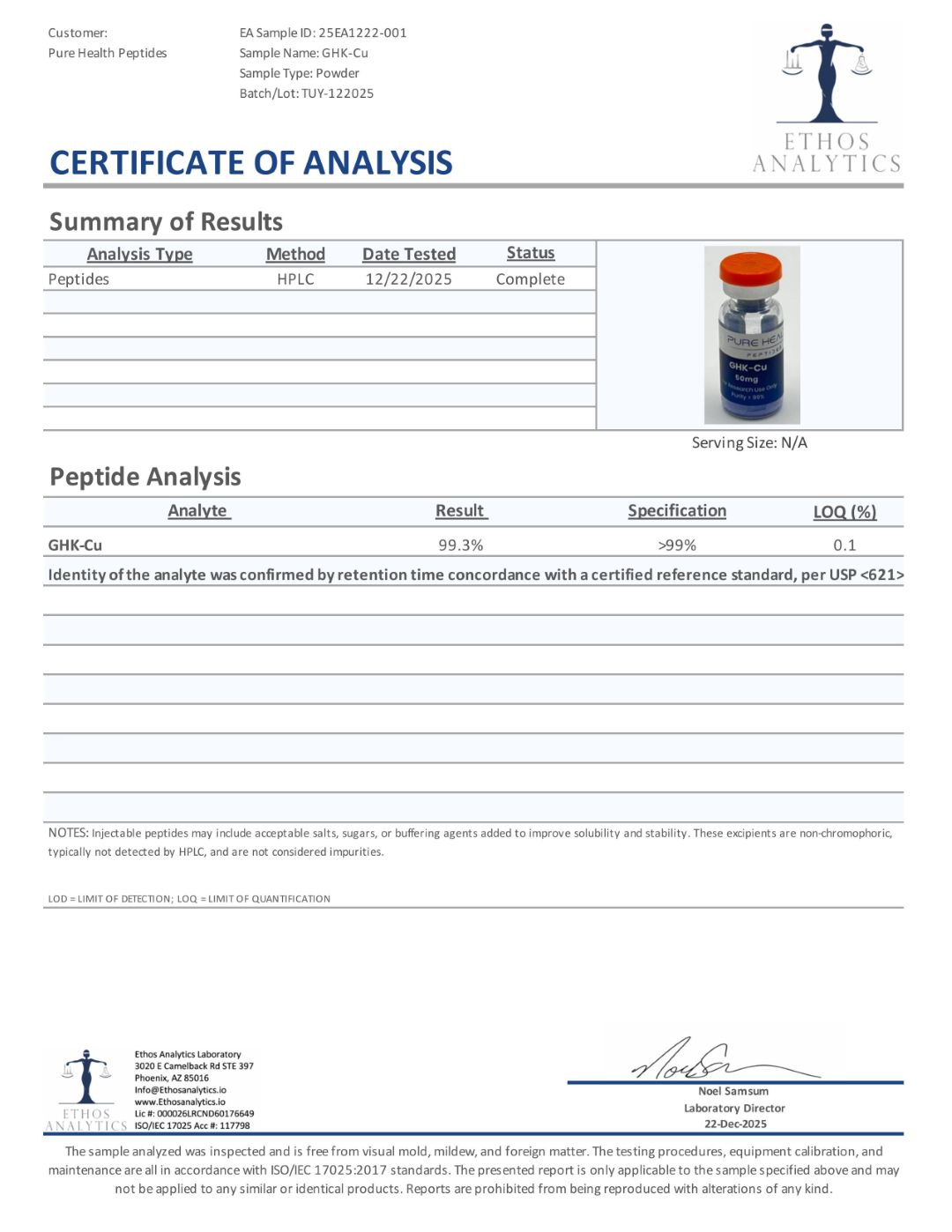
While logical screening offers definitive quality analysis, aesthetic inspection captures obvious issues before you invest time in reconstitution. Reputable makers evaluate their items and document outcomes. Vendors who can't or won't supply analytical data should be prevented. You can follow every protocol flawlessly and still obtain inadequate outcomes if your beginning material is substandard.
Peptide Storage And Handling
As a whole, lyophilized peptides are much more stable than reconstituted materials, while reconstituted peptides usually require chilled, extra controlled handling conditions. This is since numerous "peakgroups" (i.e., "collections" of co-eluting or carefully elutingchromatographic peaks in the retention time window of each determined shift) arelikely to be existing. Before reconstituting peptides, lyophilized powder should be broughtto room temperature in a desiccator to prevent water absorption in the unusedpeptide, hence reducing variations in focus of lyophilized aliquots. Ifreconstituting a peptide for the very first time, and whenever possible, a smallamount of the peptide should be reconstituted prior to committing the entire lotby weighing out a little aliquot. Peptides reconstituted with sterile water should be used within 24 hours, despite having refrigeration. For multi-dose vials, sterilized water simply doesn't function. The rubber stopper sealing your peptide vial works as the entrance for every reconstitution and withdrawal. Comprehending this part stops contamination and product loss. Cooled peptide options typically stay steady for weeks, not days. [newline] The limiting variable is normally microbial growth, not molecular breakdown. Each amino acid is defined relative to stability in acid, stabilityduring storage, and effective hydrolysis. Eco-friendly shows that the amino acid isfavorably stable or hydrolysable. Yellow is used tohighlight three hydrophobic amino acids that can affect hydrolysis. Most research study peptides are supplied as a completely dry lyophilized powder.